THE LATESTCITY NEWS
A city, seen from the street
The Evening Review’s reporters follow the decisions, ideas and everyday journeys shaping the life of the city.
Read the latest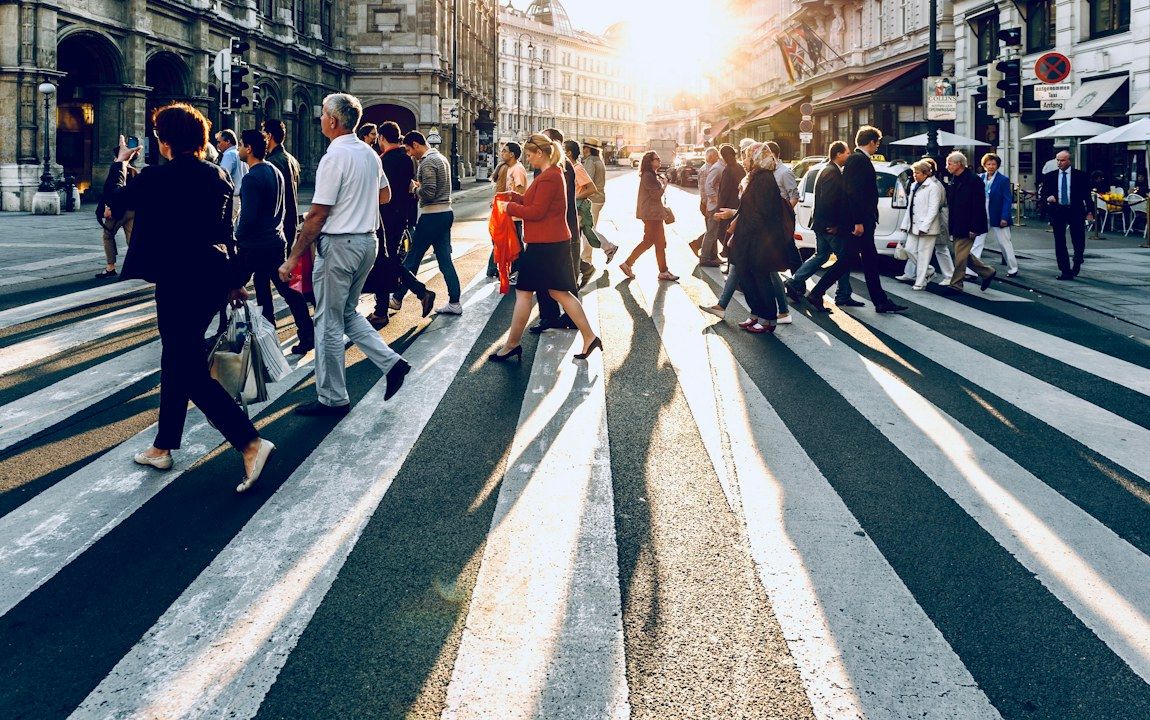
THE LATESTCITY NEWS
The Evening Review’s reporters follow the decisions, ideas and everyday journeys shaping the life of the city.
Read the latestNEWS · CITY HALL
Accountability, public life and the decisions shaping the day.
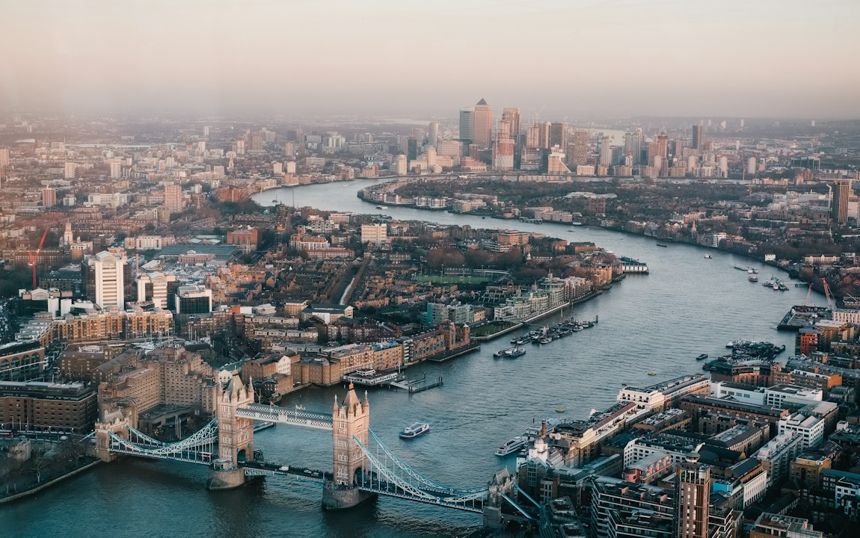 CITY LIFE · NEWS
A street-level view of the small connections that make a neighbourhood feel like a place to stay.
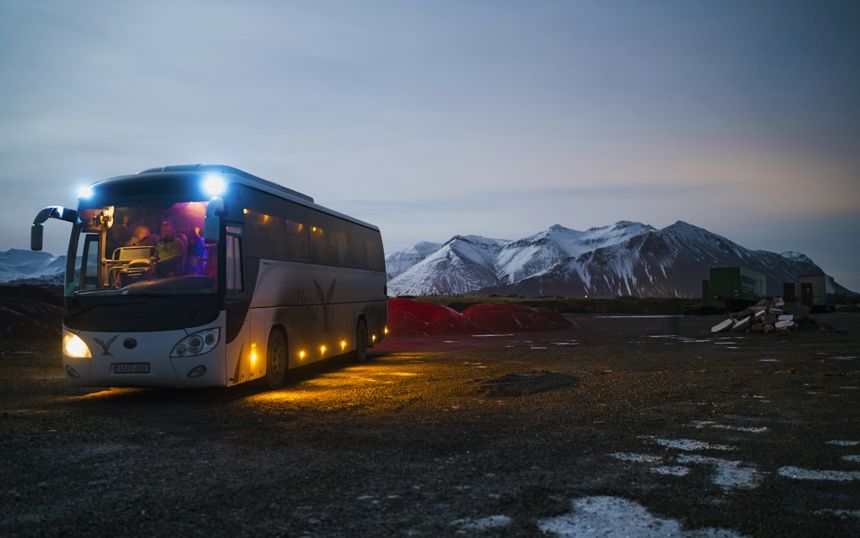
An evening route through the hills and the changing landscape beyond town.
Our live blog follows the discussion and its next steps.
Inside the branch keeping its reading room open past six.
The evening bus follows a route between neighbourhoods and the hills beyond the city. Its slow turns and changing light make the journey a useful lens on the everyday work of connecting places. The route is fictional, and the photograph is illustrative.
At a fictional public discussion, residents raised questions about access, public space and the future of workshops along the water. The conversation offered a reminder that the smallest details of a shared place often matter most to those who use it.
— Our live updates are a demonstration format. No current event or real-world hearing is being reported here.
At the East Ward branch, the quietest hour is no longer just before closing. Since one late evening was added each week, people linger over local maps, ask for help with a form, or finish a chapter before going home.
CULTURE · THE WEEK AHEAD
Exhibitions, performance and the arguments behind them.

EXHIBITION · FEATURE
An abstract work becomes a starting point for seeing familiar spaces with fresh attention.
Black, white and yellow meet in an arrangement that seems to shift as the viewer moves. This fictional gallery feature considers how abstract art invites us to look slowly, and how a few shapes can change the way a room feels.
All venues, works and people in this edition are fictional. The image is provided for illustration.
In “What We Keep,” the audience sits close enough to hear the cast breathe before they speak. The play lets each character arrive at a different version of the same afternoon, without turning the past into a puzzle.
OPINION · THE WEEKLY COLUMN
A city that prizes the quickest route can forget the people who need somewhere to pause.
I used to measure a commute by its shortest possible version. I knew which stairway saved half a minute and which door opened first on the train. I could shave a journey down to the width of a podcast segment.
Then, one rainy Tuesday, I missed the bus and walked the longer way beside the canal. There is a bakery there that opens before anyone has found their umbrella. A bench faces the water. The route takes longer, but it gives the day room to begin.
That is not an argument against efficiency. It is a reminder that public places should make space for more than passing through.

THE WIDER VIEW · FEATURE
A short visual pause on the rhythms and changing colour of the sea. Image and accompanying reflection are illustrative.
ABOUT THIS EDITION
The Evening Review is a fictional independent newspaper about city life, culture and considered play. Its stories, contributors and events are original examples created solely for this PartnerOpen demonstration.